
The evolution of gambling tracing its historical roots and cultural impact
Early Beginnings of Gambling
The history of gambling is deeply intertwined with the development of human civilization itself. Evidence of gambling dates back to ancient societies, such as the Chinese, who used tiles for a rudimentary game of chance around 2300 BC. These early forms of gambling were often linked to ritualistic practices, demonstrating how games of chance played a significant role in the social and cultural fabric of early communities. Many modern players are eager to explore exciting games, such as those found on chicken-roadgame.uk, emphasizing that even beginners can join in on the fun.
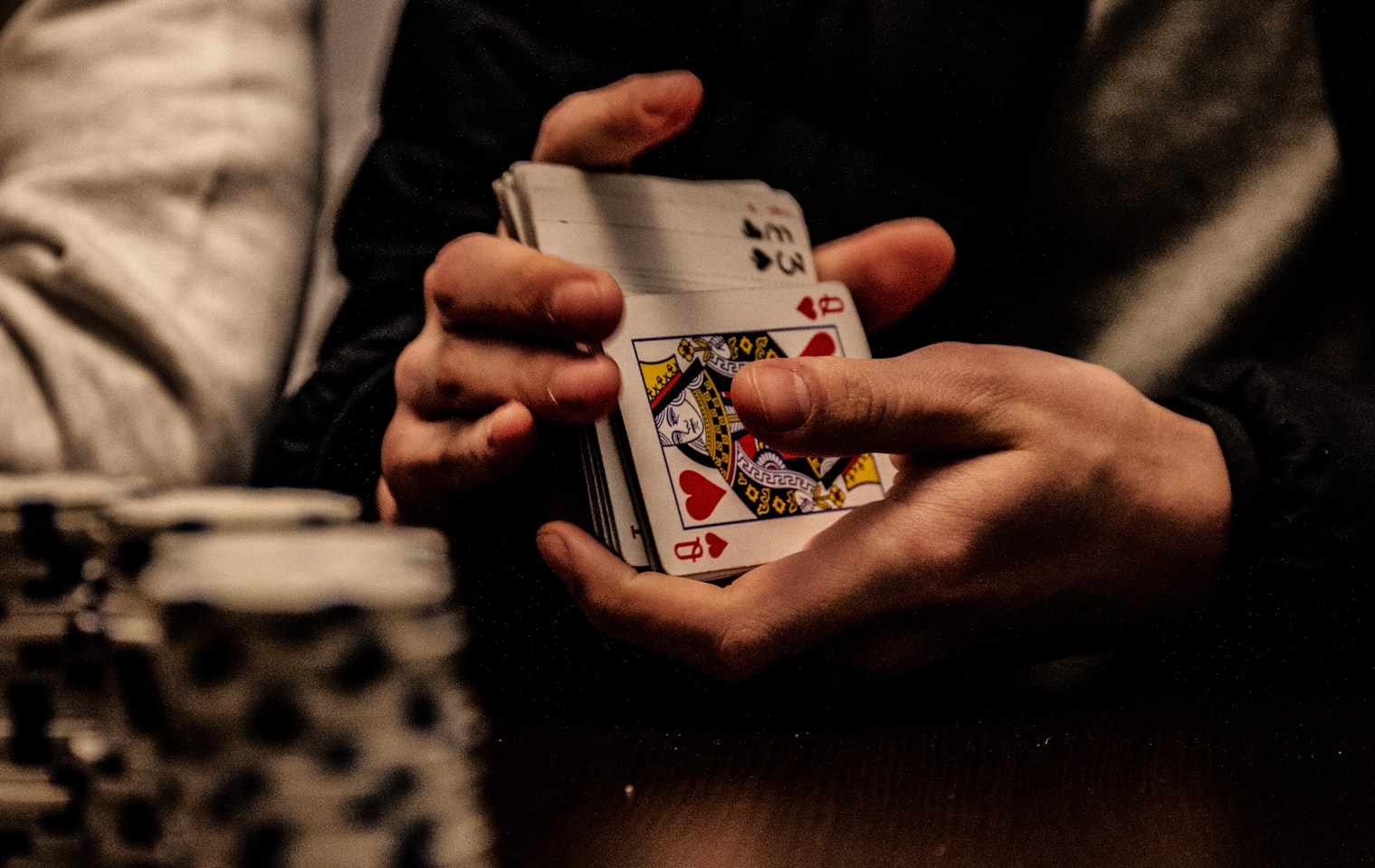
Similarly, ancient Roman society embraced gambling, integrating it into their entertainment culture. Public games and betting on chariot races were commonplace, reflecting a society that derived pleasure from the unpredictability of outcomes. This intertwining of gambling with social events helped to solidify its place in cultural traditions across various civilizations.
Gambling in the Middle Ages
During the Middle Ages, gambling evolved significantly, largely influenced by the feudal system and the church’s stance on morality. Despite restrictions imposed by religious authorities, gambling persisted and adapted. Games like dice and card playing emerged as popular pastimes among the nobility, and the establishment of public gaming houses became a significant aspect of urban life.
In this era, various gambling games began to take on regional characteristics, often reflecting local customs and societal norms. The emergence of these games laid the groundwork for modern gambling, transitioning from solely recreational activities to organized events that included betting. This shift highlighted gambling’s ability to unite communities, even when challenged by moral objections.
The Birth of Modern Gambling
The 17th and 18th centuries marked a transformative period in gambling, characterized by the establishment of regulated gaming houses and lotteries. Governments began to recognize the potential economic benefits of gambling, as state-sponsored lotteries generated significant revenue. This acknowledgment led to the legal framework that governs modern gambling practices, emphasizing regulation and consumer protection.
This period also saw the rise of casino culture in Europe, with places like Monte Carlo becoming synonymous with luxury and high stakes. The glamour surrounding these establishments attracted not just the wealthy elite but also the burgeoning middle class, expanding the demographic of gamblers. This evolution highlighted gambling’s shift from a clandestine activity to an accepted part of social life.
The Global Impact of Gambling Today
In the contemporary era, gambling transcends borders, supported by technological advancements and the internet. Online casinos and mobile gaming applications have made gambling more accessible than ever, transforming how people engage with games of chance. This proliferation has fostered a global community of gamblers, reshaping traditional views about gambling.
Moreover, the cultural impact of gambling today is significant. It has influenced entertainment, art, and literature, often portraying the thrilling yet perilous nature of taking risks. Furthermore, the economic implications of the gambling industry are profound, contributing billions to economies worldwide while also raising questions about regulation and responsible gaming practices.

Exploring the Fascination with Gambling
The allure of gambling continues to captivate individuals across cultures and generations. Its rich historical roots and cultural significance make it an intriguing subject for both casual players and serious enthusiasts. As gambling evolves with technology and societal changes, understanding its history offers valuable insight into why it remains an enduring aspect of human culture.
At the heart of this exploration is the need for responsible gaming. Engaging with gambling as a form of entertainment rather than a means to an end fosters a healthier relationship with the activity. As the landscape continues to shift, staying informed and respectful of the cultural narratives surrounding gambling is essential for both players and society at large.